

If your home sits in an AE or VE flood zone, your ground floor flooring decision is not just about looks or comfort. It is about what happens when water reaches it and how much of the recovery comes out of your pocket. Coastal Mississippi carries some of the highest flood exposure in the country, and the way Risk Rating 2.0 prices policies means the materials and finishes near your lowest floor genuinely factor into your long term costs. Tile is one of the strongest choices for these spaces, but not every tile or installation handles a flood event the same way. Knowing the difference protects both your home and your wallet.
Why Tile Is Built for Flood Zone Ground Floors
Porcelain tile is functionally waterproof, which is the single most important trait for a floor that may sit in standing water during a surge or heavy rain event. Unlike laminate or engineered wood, dense porcelain does not swell, cup, or delaminate when it gets wet. After floodwater recedes, a properly installed porcelain floor can often be cleaned, dried, and disinfected rather than torn out and replaced. That resilience is exactly what you want on a ground floor that faces real flood risk.
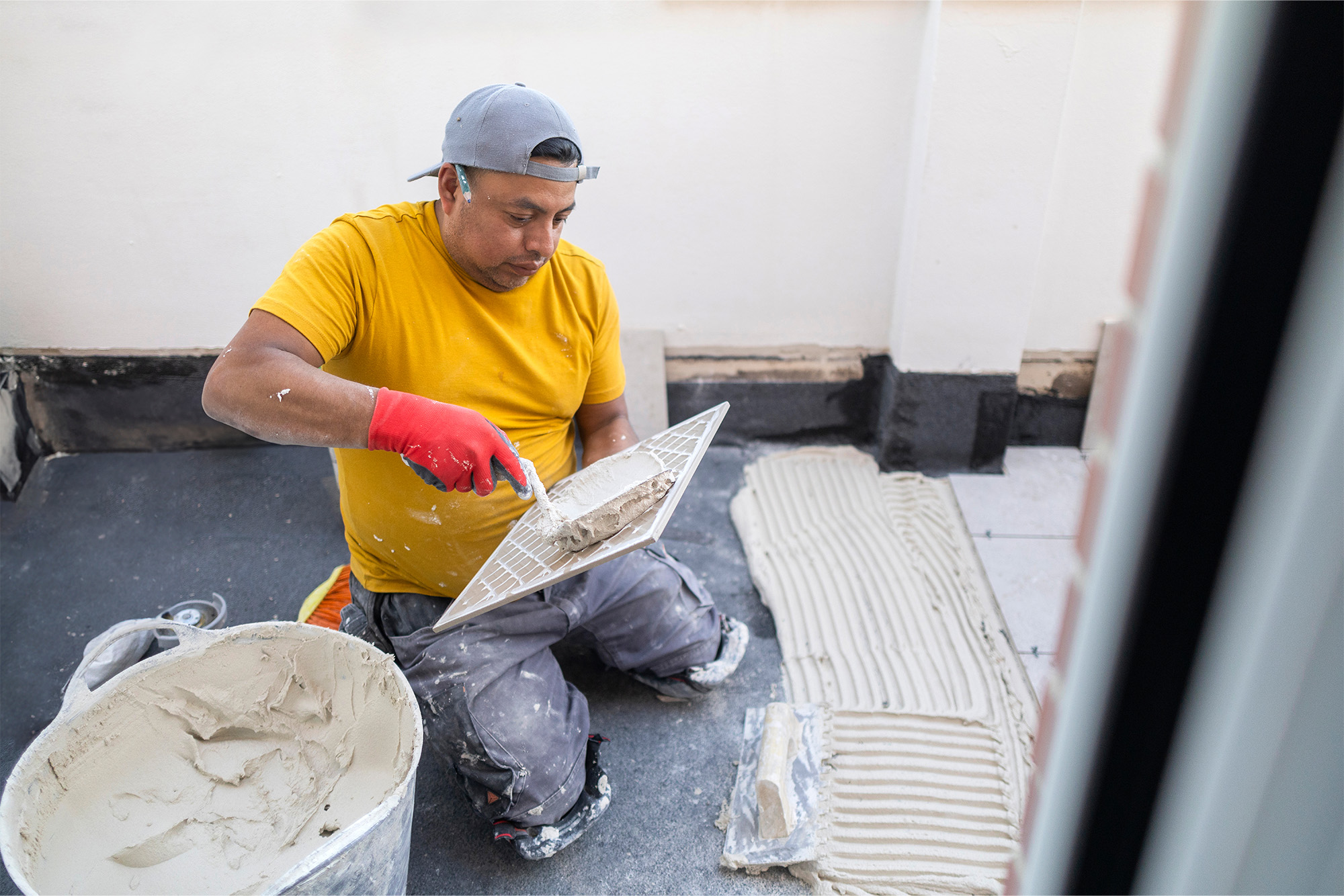
The catch is that the tile itself is only half the system. Grout, mortar, and the substrate beneath all decide whether your floor truly recovers or just looks intact while trouble grows underneath. A tile floor set over a substrate that traps and holds water can still develop mold and bond failure even though the porcelain on top is fine. For flood zone ground floors, you have to think about the whole assembly, not just the surface you walk on.
Grout, Mortar, and Substrate Choices That Matter
Grout selection carries more weight in a flood zone than most homeowners expect. Standard cementitious grout is porous and absorbs water, which can lead to staining, softening, and slow drying after a flood event. Many installers move to higher performance or epoxy based grout for these spaces because it resists water absorption and cleans up far better after exposure. The trade off is cost and a more demanding installation, which is one more reason to use a crew that has done this work on the coast.
The substrate underneath is the part nobody sees and the part that decides long term outcomes. Setting tile directly over a slab with the right mortar keeps the assembly tight and gives water fewer places to hide. Where moisture mitigation is needed, a topical barrier on the slab adds protection before the tile goes down. At Cozy Comfort Floors we match the setting materials to the reality of a flood prone ground floor rather than defaulting to whatever is cheapest, because the cheap version is what fails first.
How Flood Zone Status Affects the Bigger Picture
Your flood zone designation shapes more than your floor. Under FEMA Risk Rating 2.0, premiums respond to factors like the elevation of your lowest floor, your distance from water, and your foundation type. Gulf Coast properties already carry some of the steepest flood premiums in the nation, and a single flood event can cause tens of thousands of dollars in damage. Choosing flooring that recovers rather than requiring full replacement is part of managing that exposure intelligently.
It also helps to understand what your policy will and will not do. NFIP coverage treats finishes on a ground floor below the base flood elevation differently than the main living space, and reimbursement for those areas can be limited. That makes a durable, recoverable floor like tile a smart financial decision on a ground level that may flood, since you are less likely to be replacing it from scratch on your own dime. Pairing the right floor with a clear read of your coverage is the goal.
Design That Holds Up Without Looking Industrial
Choosing a practical flood zone floor does not mean settling for a cold, utilitarian look. Wood look porcelain, large format stone looks, and warm earthy tones all give you a ground floor that feels like a home rather than a garage. Matte and textured surfaces add slip resistance, which matters in spaces that see water and sandy shoes, and they hide everyday wear better than glossy finishes.
The smartest approach blends durability with a look you actually want to live with. Pick a tile that survives a flood, then choose the color, format, and grout tone that suit the rest of your home. Our showroom team can help you find that balance so your ground floor protects you and still looks intentional. You should not have to choose between safety and style on the coast.
If your ground floor sits in an AE or VE zone anywhere across all of the Mississippi Gulf Coast, let us help you choose tile materials built for that reality. We understand coastal flood exposure and the assemblies that recover from it, not just the ones that look good on install day. Visit Gulfport, MS to compare porcelain options and talk through grout and substrate choices for your home. When you are ready to move forward, contact us for a free in home estimate.


