

Sand is one of the most underestimated threats to flooring along the Mississippi Gulf Coast. At Cozy Comfort Floors, we frequently inspect laminate floors that appear “worn out” long before their expected lifespan. In many of these cases, the damage isn’t caused by heavy use—it’s caused by coastal sand grinding away the protective wear layer day after day.
If you live in Gulfport or anywhere near the Mississippi shoreline, this issue is likely affecting your home whether you realize it or not.
Why Coastal Sand Is So Destructive
Beach sand is primarily composed of quartz and silica—both extremely hard minerals. When tracked into a home on shoes, pets, or bare feet, sand particles become trapped under movement. Every step grinds these particles across the floor’s surface, acting like fine-grit sandpaper.
Unlike dirt, sand does not break down easily. Instead, it repeatedly scrapes the laminate’s wear layer, slowly dulling the finish and exposing the decorative layer beneath. This process happens even in homes with light foot traffic.
Laminate Wear Layers Have Limits
Laminate flooring is protected by a clear aluminum oxide wear layer designed to resist scratches. However, this layer is thin and optimized for vertical pressure, not constant horizontal abrasion.
In coastal environments, sand abrasion causes:
Loss of surface sheen
Micro-scratches that trap dirt
Premature fading of printed designs
Increased water penetration at joints
Once the wear layer is compromised, laminate floors become far more susceptible to moisture damage—especially in Mississippi’s humid climate.
Why Entry Mats and Cleaning Aren’t Enough
Many homeowners attempt to protect laminate floors using door mats and frequent cleaning. While helpful, these measures cannot eliminate sand completely. Fine grains easily bypass mats, settle into floor joints, and remain underfoot throughout the home.
Vacuuming removes loose debris, but microscopic sand particles remain embedded in surface scratches, continuing the abrasion cycle over time.
Coastal Homes See Accelerated Failure
Homes near Gulfport beaches, bayous, and barrier islands experience faster laminate degradation than inland homes. Even occasional exposure to sand—such as weekend beach trips or outdoor gatherings—can significantly shorten laminate lifespan.
At Cozy Comfort Floors, we often see laminate floors in coastal homes requiring replacement in as little as five to seven years.
Better Flooring Options for Sand Exposure
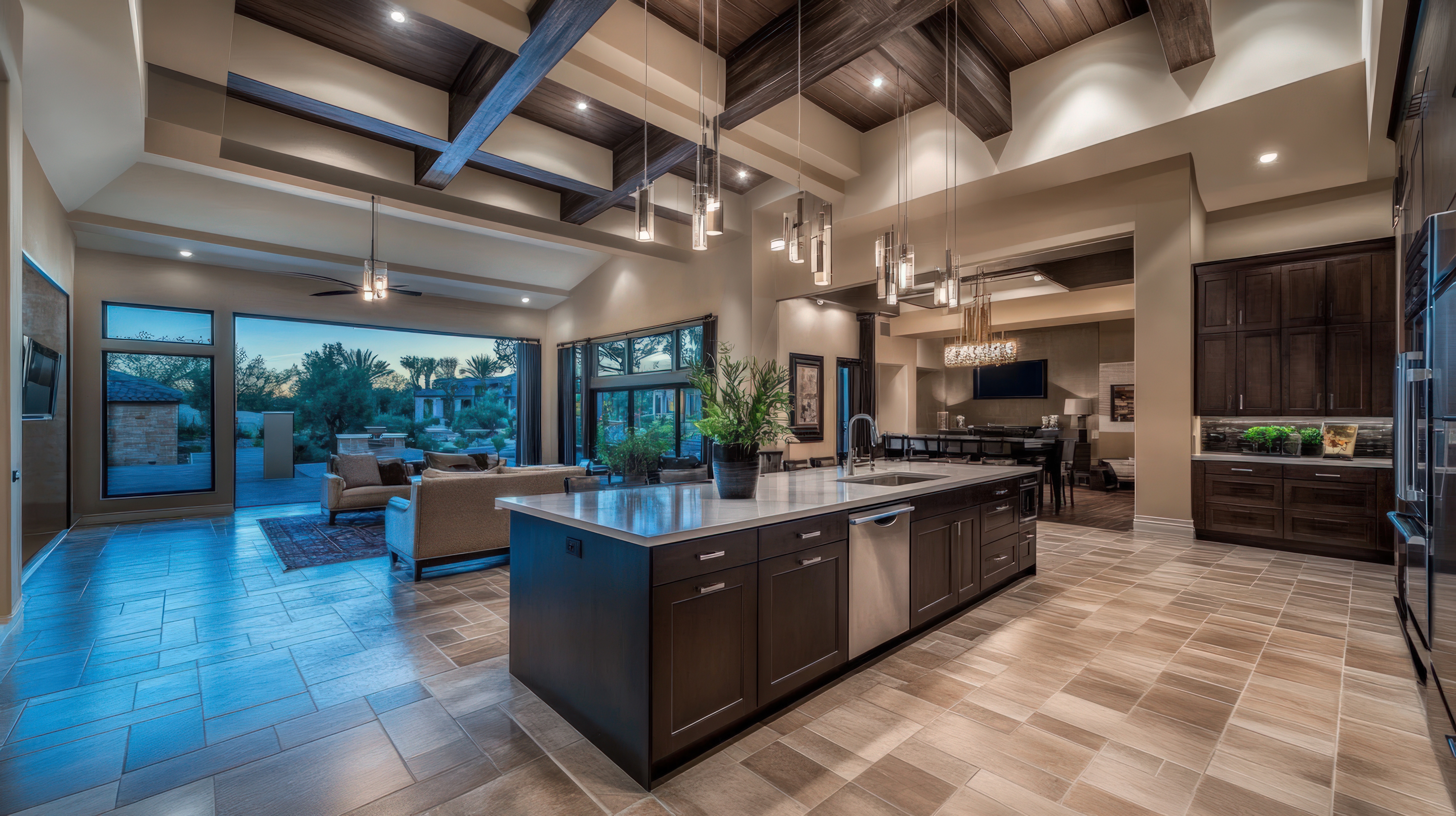
Tile flooring performs far better under sand abrasion. Porcelain tile is fired at high temperatures, creating a surface that resists scratching and does not wear through like laminate. Textured or matte tiles also help hide fine abrasions that would be obvious on glossy laminate.
Tile can be cleaned aggressively without damaging the surface, making it ideal for homes with frequent sand exposure.
Long-Term Cost Considerations
While laminate may appear cost-effective initially, repeated replacement due to surface wear quickly adds up. Tile flooring, by contrast, maintains its appearance and performance for decades, even in high-sand environments.
For Mississippi Gulf Coast homeowners, choosing the right flooring upfront prevents ongoing repair and replacement costs.
Final Thoughts
Coastal sand is more destructive to laminate flooring than heavy foot traffic, slowly eroding the surface until failure occurs. For homes near the Mississippi shoreline, laminate often cannot withstand the abrasive reality of daily life.
To explore flooring options built for coastal durability, visit or call Cozy Comfort Floors today. We proudly serve homeowners throughout the Mississippi Gulf Coast with flooring solutions designed to last.


