

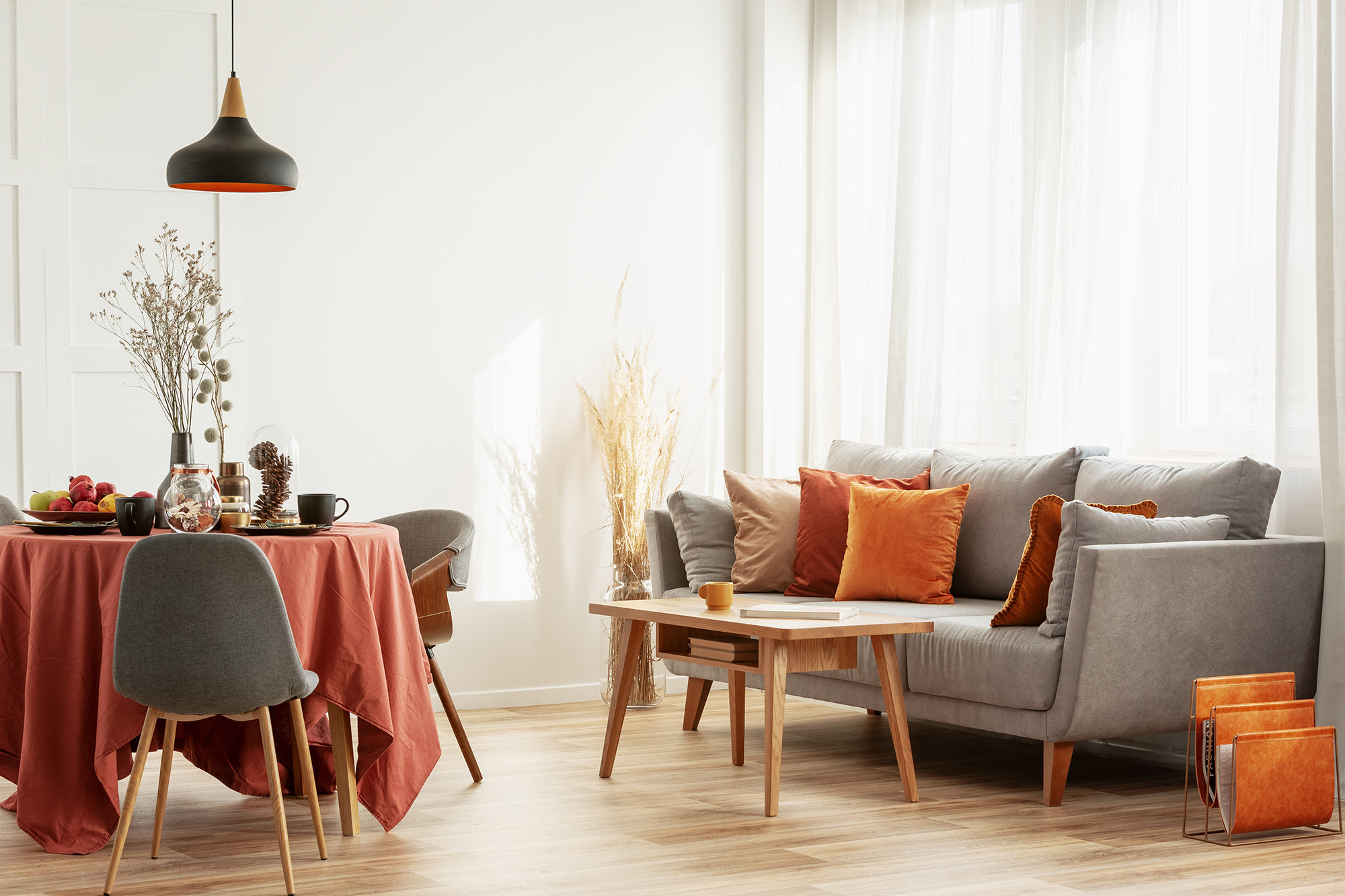
The Look That Defined Coastal Homes For Years
For a long time, a coastal home meant a specific formula. Bright white trim, ocean blues, and decor that leaned hard into the beach theme with anchors, shells, and glossy nautical accents everywhere you looked. It was a fun look, and it made sense for vacation rentals and second homes especially.
That formula is losing ground now, and not because homeowners stopped loving the coast. They are simply asking their homes to feel calmer and more grounded rather than themed, which changes almost every material decision that follows.
What Earthy And Grounded Actually Looks Like
The new direction leans on warm neutrals, natural textures, and tones pulled from sand, driftwood, and marsh grass instead of postcard blue. Walls move toward soft greige and warm white. Furniture leans natural wood and woven textures over glossy painted finishes.
This is a quieter kind of coastal design, one that references the water and the landscape without spelling it out literally. It photographs less like a theme park and more like a home someone actually lives in year round, which is exactly the point for most homeowners making this shift.
Why The Floor Carries So Much Of This Shift
Flooring sets the tone for a room more than almost any other material choice, because it is the largest continuous surface in the space and the one every other color gets measured against. A bright white or high gloss floor reads instantly as beach house. A warm toned, textured floor reads as grounded and current.
Wood look tile in warmer driftwood and weathered oak tones has become the natural fit for this shift, since it brings in the texture of natural wood while standing up to sand, moisture, and daily coastal life far better than solid hardwood ever could. Homeowners are also leaning toward matte and honed finishes over high gloss, since a softer sheen reads as more grounded and shows less daily wear in high traffic rooms.
What This Means For Renovation Decisions
Homeowners updating Katrina era cottages and older coastal properties are increasingly treating flooring as the anchor decision for the whole renovation, rather than an afterthought once paint and furniture are chosen. Getting the floor tone right first makes every other material choice easier, because warm wood look tile pairs naturally with the woven textures and organic accents driving this trend.
This also tends to be a smart sequencing decision practically speaking. Flooring installation happens before most other renovation work, so choosing a floor that fits the earthy direction from the start avoids having to work backward from decor choices made later.
Bringing This Look Into Your Own Home
The good news for anyone drawn to this direction is that it does not require a full gut renovation to achieve. Swapping out a bright white or heavily patterned floor for a warmer wood look tile can shift an entire room's feeling on its own, even before new paint or furniture arrives.
Seeing the tones in person matters here more than usual, since warm neutrals can photograph very differently depending on lighting, and the difference between a driftwood tone and a true gray oak tone is easier to judge standing in a showroom than scrolling through photos online.
Visit Us To See The New Coastal Look In Person
This shift toward earthy, grounded interiors is one of the clearest design trends we are seeing across the Mississippi Gulf Coast right now, and it starts with the floor in almost every project we work on. Our team can walk you through warm toned, wood look options built for coastal humidity and daily life.
We proudly serve all of the Mississippi Gulf Coast from Gulfport, MS, and our tile collection includes a wide range of warm, wood look finishes suited to this trend. If you are ready to see samples in person, contact us and we will help you find the right tone for your home.


