

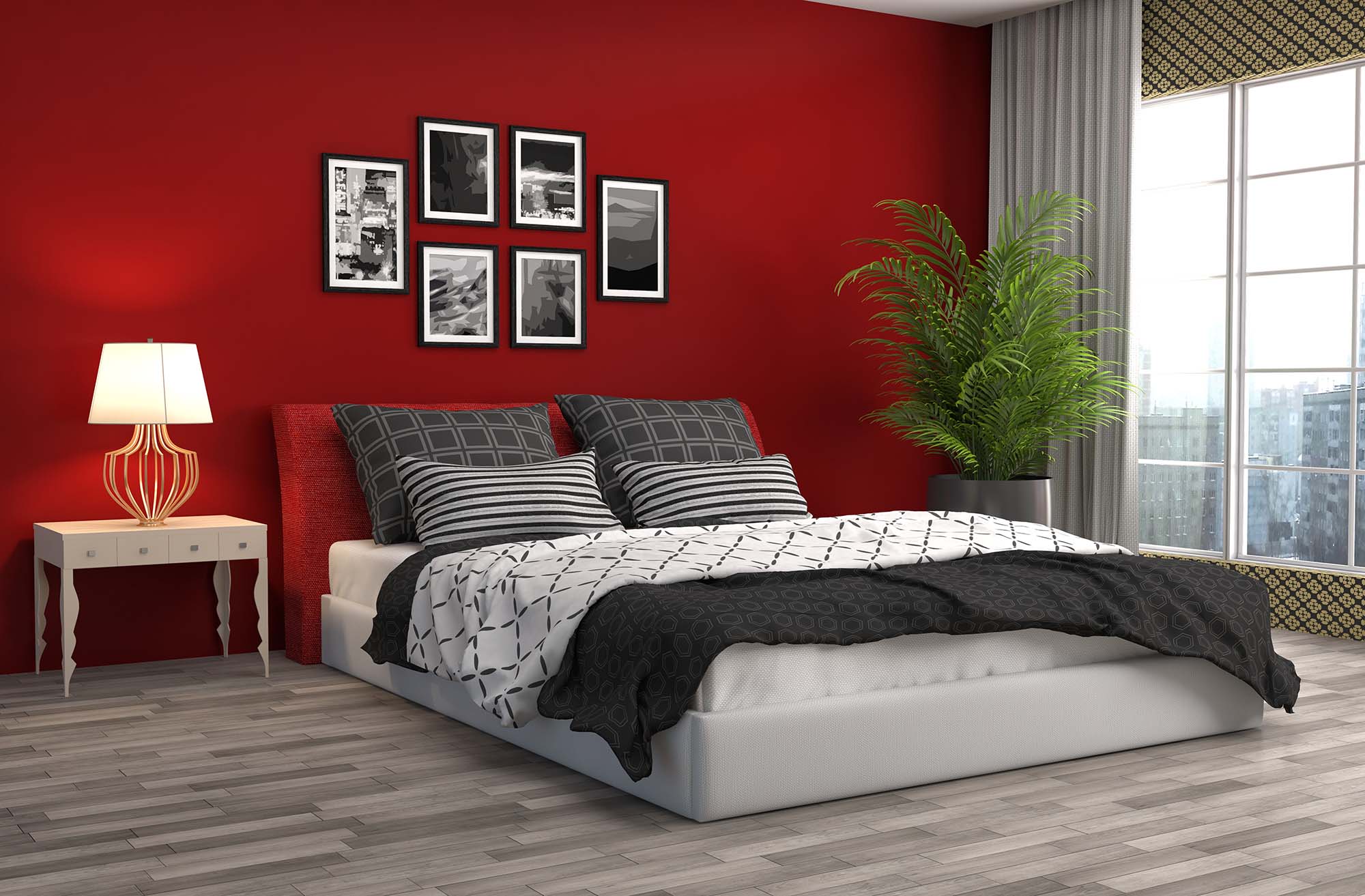
When people say they hate clutter, they are not always talking about objects. Sometimes the room is technically tidy, but it still feels visually busy. Flooring can be a major reason why.
A floor may create visual noise through exaggerated grain, strong contrast, heavy distressing, obvious seams, or poor color coordination. Even when the furniture is minimal, the room can still feel unsettled because the surface under everything is doing too much.
At Cozy Comfort Floors, we help homeowners across all of the Mississippi Gulf Coast choose laminate flooring that supports a cleaner, calmer interior. If your goal is a space that feels more resolved and less chaotic, the technical details of the laminate matter far more than most people expect.
What Creates Visual Noise in Laminate Flooring
A laminate floor often feels “busy” for a few specific reasons.
The first is excessive pattern contrast. High-contrast grain and aggressive rustic visuals may look interesting on a small sample, but once installed over a large area, they can overwhelm the room.
The second is dramatic plank-to-plank color variation. A floor with too much tonal shift can make the whole room feel fragmented.
The third is obvious pattern repeat. Lower-end laminate products may repeat the same grain image too often, which becomes very noticeable after installation. Once identical knots or grain formations start showing up repeatedly, the floor can look artificial in the wrong way.
The Laminate Specs That Create a Calmer Look
If you want a visually quieter space, the most important laminate specifications are not always the ones people talk about first.
Plank Width
Very narrow planks can create too many visual lines across the floor. Extremely wide planks can look oversized in smaller rooms. In many homes, a moderate-width plank creates the best balance between simplicity and scale.
Plank Length
Longer planks reduce the number of end joints across the room. That helps the floor feel more continuous and less chopped up, especially in open-concept layouts.
Bevel Profile
Deep or dark bevels outline each board very clearly. That may work in some interiors, but it also emphasizes every seam. A subtle bevel or painted bevel usually creates a cleaner, quieter appearance.
Surface Texture
Heavy hand-scraped visuals, deep embossing, or exaggerated rustic distressing often add more visual activity than homeowners realize. A more controlled embossed-in-register finish typically gives the warmth of wood texture without making the floor feel restless.
Color Tone and Undertone Matter More Than People Think
One of the biggest reasons a laminate floor feels “off” is undertone conflict.
A product may be labeled beige, oak, or greige, but still lean pink, yellow, gray, or green once it is placed under real lighting. If the floor undertone clashes with cabinetry, walls, or furnishings, the space can feel visually unresolved even when everything is technically clean and coordinated.
For homeowners who want a quieter interior, mid-tone neutrals and natural wood visuals are often the safest path. Extremely dark floors tend to show dust and pet hair more easily. Very pale floors may highlight debris and flatten the room visually. Overly gray floors can feel cold or dated depending on surrounding materials.
The goal is not just choosing a trendy color. It is choosing a floor tone that lets the room breathe.
Pattern Repeat Is a Real Technical Issue
Pattern repeat is not just a design complaint. It is a product-quality issue.
Lower-quality laminate often has fewer unique print visuals, which means the same grain image may appear again and again across the floor. In a larger room, that repetition becomes obvious quickly and can make the floor feel more synthetic and visually distracting.
Higher-quality laminate generally offers more visual variation and a more convincing wood look. This is especially important in larger living areas where repeat pattern is easier to spot.
When evaluating laminate, it helps to view larger installed samples rather than relying only on a small showroom swatch.
A Quiet-Looking Floor Still Has to Perform Well
A visually calm floor still needs the right technical construction.
On the Mississippi Gulf Coast, laminate has to deal with:
Tracked-in grit
Everyday humidity
Foot traffic
Occasional spills
Seasonal moisture fluctuations
That means homeowners should also evaluate:
Wear layer durability
Core density
Locking system quality
Water resistance
Subfloor compatibility
A floor that looks clean but sounds hollow, wears quickly, or fails at the edges will not deliver long-term satisfaction. The most successful laminate floors combine restrained visuals with solid construction.
Who This Type of Laminate Works Best For
Laminate with quieter visuals is often ideal for homeowners who want:
A calmer-feeling open-concept space
Less visual competition with furniture and décor
A home that photographs well without looking trendy
Flooring that supports a more ordered aesthetic
A clean look without feeling sterile
This kind of product also works well in homes where the goal is comfort and clarity rather than maximum pattern or rustic drama.
If you want your home to feel less cluttered, the right laminate flooring can make a bigger difference than most people realize. Plank width, bevel profile, grain contrast, pattern variation, and undertone all shape whether a room feels calm or visually noisy.
Visit Gulfport, MS to compare laminate flooring options in person and see how different plank specs affect the overall look of a room. Cozy Comfort Floors proudly serves homeowners across all of the Mississippi Gulf Coast from our Gulfport-area showroom. If you are ready to create a cleaner, quieter-looking home, contact us today.


