

What Rectified Actually Means
Rectified tile is mechanically cut and ground after firing so every piece comes out the exact same size with a perfectly square edge. Manufacturers do this because the firing process naturally causes small shrinkage and warping, and rectification removes that variation piece by piece.
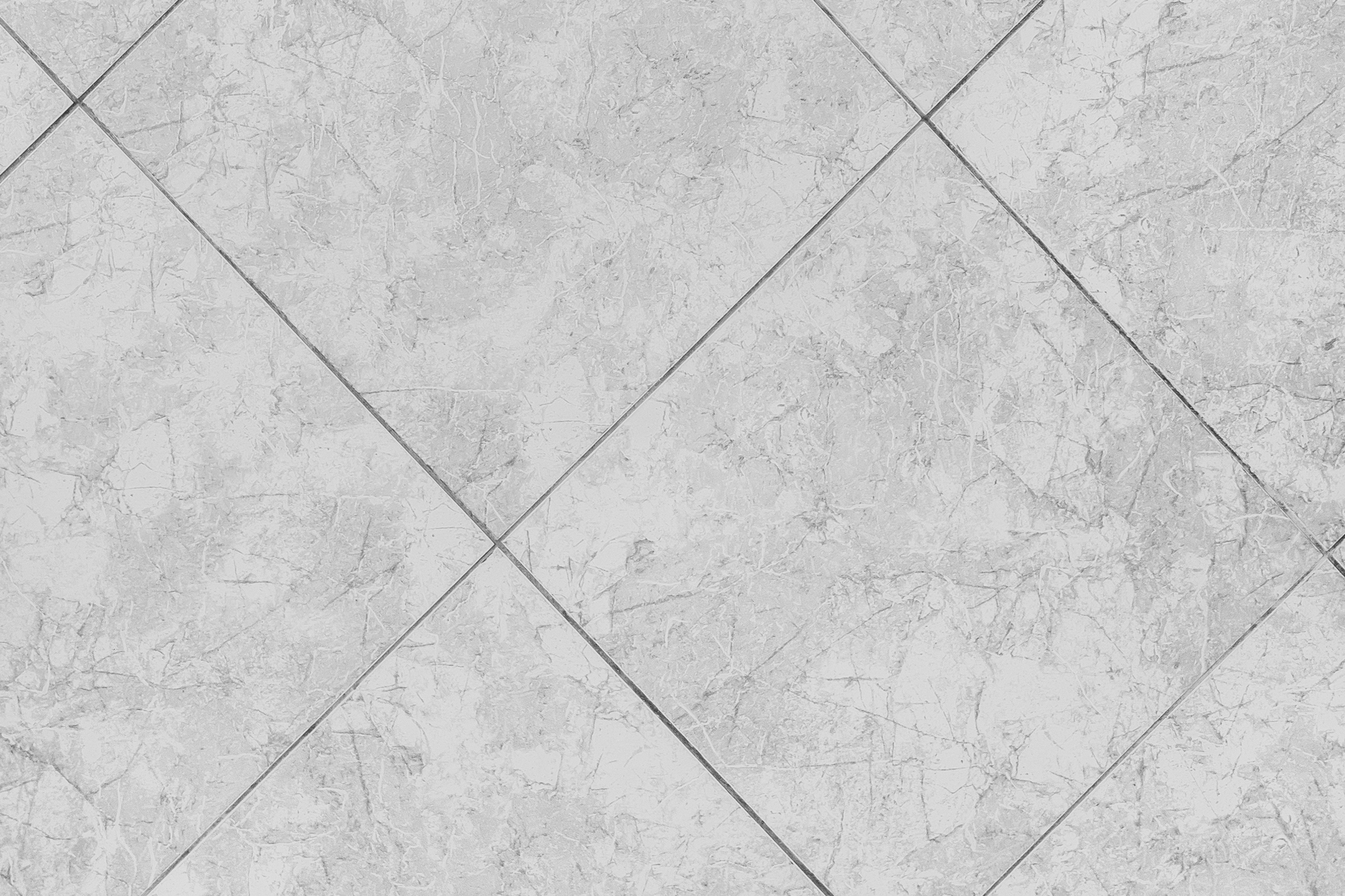
The result is a tile that can sit edge to edge with almost no visible gap. That precision is what gives large format porcelain and modern plank tile that seamless, continuous look homeowners request most often at our Cozy Comfort Floors showroom.
What Non Rectified Tile Brings To The Table
Non rectified tile, sometimes called cushion edge tile, keeps a slightly rounded or irregular border straight out of the kiln. That small irregularity is not a flaw. It is a built in tolerance that hides the natural size variation between individual pieces.
Because the edge is soft rather than sharp, non rectified tile forgives minor lippage and uneven substrate far more easily than rectified tile does. On older slabs or homes that have settled over the years, that forgiveness can mean a cleaner looking finished floor with less tile leveling work during installation.
Why Grout Line Width Is The Real Decision Point
This is where the price tag stops being the most useful number to look at. Rectified tile allows grout lines as narrow as one sixteenth of an inch, which is exactly why it photographs so well and reads as high end. Non rectified tile typically needs a grout line between three sixteenths and three eighths of an inch just to account for its natural edge variation.
A narrow grout line looks striking, but it also transfers more stress to the tile edges and shows less room for error during installation. A wider grout line on non rectified tile spreads that stress out and gives your installer more margin to correct for a slab that is not perfectly flat, which is common in older Gulf Coast homes.
How Humidity And Slab Movement Change The Calculation
Homes along the Mississippi Gulf Coast deal with more seasonal humidity swings and ground moisture than most inland markets. Slabs expand and contract slightly with that moisture, and older concrete pours were not always finished with today's flatness standards in mind.
A wider grout joint on non rectified tile gives that slab room to move without transferring visible stress into the tile face. Rectified tile can still work beautifully in these homes, but it usually calls for a more careful subfloor prep and a installer who checks flatness tolerances before setting the first piece.
Choosing Between The Two For Your Project
Neither option is the wrong choice, and one is not simply an upgrade from the other. Rectified tile is the better fit when you want a sleek, minimal grout line and your subfloor is in excellent condition. Non rectified tile is the practical choice for older homes, budget conscious rooms, or spaces where a slightly more textured, traditional grout line fits the design better.
The honest answer is that the edge type should follow your subfloor condition and your design goal, not the other way around. Walking through both options side by side on an actual sample board makes the difference obvious in a way a spec sheet never quite manages.
Bring Your Questions To Our Showroom
Every Gulf Coast home carries its own slab history, humidity pattern, and design goal, and the right tile edge depends on all three. Our team at Cozy Comfort Floors walks customers through rectified and non rectified samples side by side so the grout line decision is based on what your floor actually needs.
We proudly serve all of the Mississippi Gulf Coast from Gulfport, MS, and our tile selection includes both edge types in dozens of finishes. If you are ready to compare samples in person or get a straight answer for your specific room, contact us and we will help you choose the edge and grout line that fits your home.


