

Why Steam Feels Like The Obvious Choice
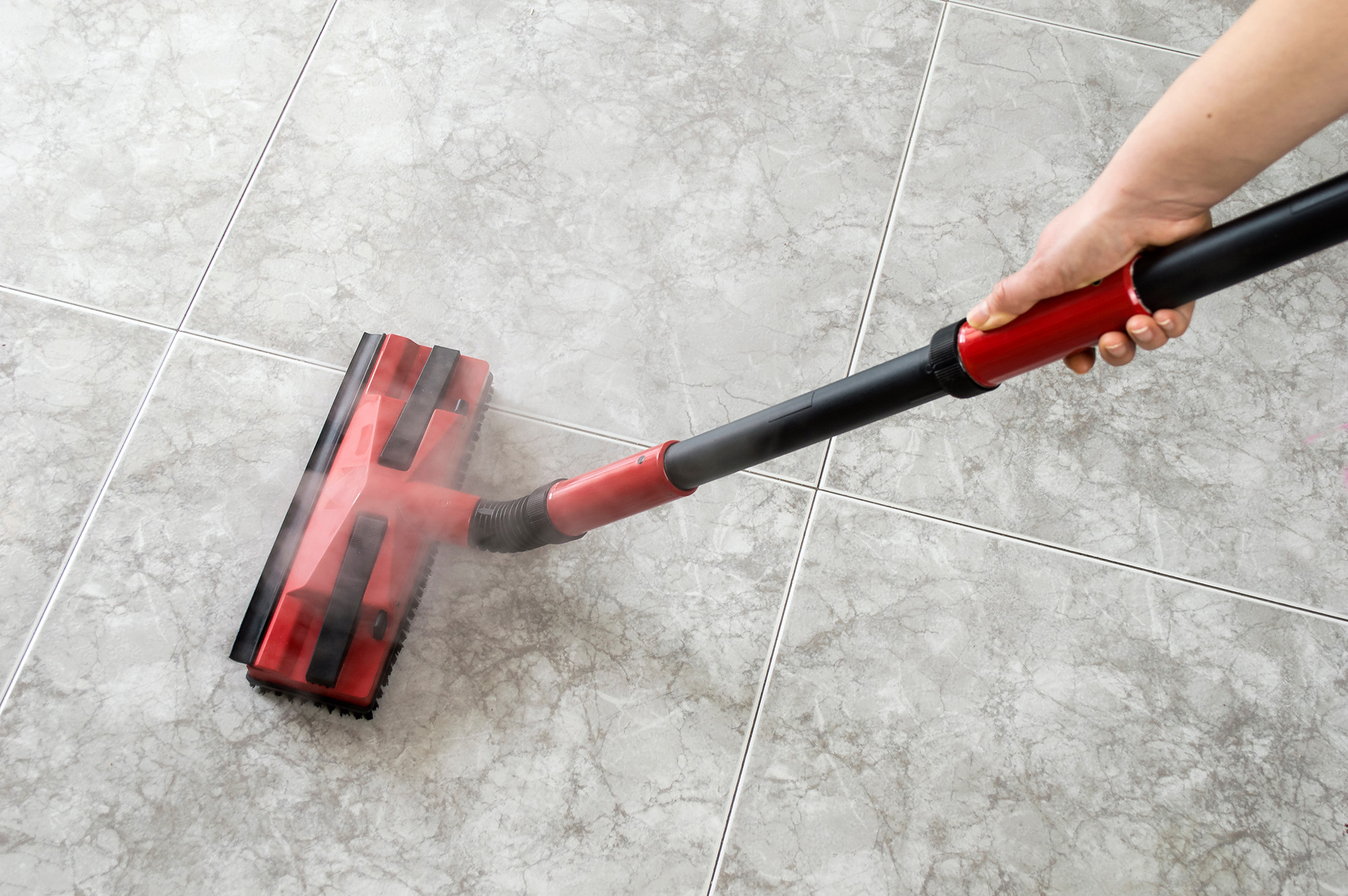
Steam mops promise chemical free cleaning, which makes them appealing for kitchens, bathrooms, and any tile floor that sees daily traffic. The heat lifts grease and grime without leaving behind the sticky residue some cleaners can cause on tile.
On a properly sealed, glazed porcelain floor, occasional steam mopping is genuinely effective and safe. The glaze on the tile face resists heat and moisture, so the steam does its job on the surface without penetrating anywhere it should not.
Where The Grout Comes Into The Picture
Grout is porous by nature, and that porosity is exactly why sealing it matters so much. A fresh, well maintained seal keeps water and steam from soaking into the grout itself, but that seal wears down over time with foot traffic and repeated cleaning.
Once the seal starts to thin, steam pushes moisture directly into the grout lines instead of staying on the surface. That trapped moisture can lead to discoloration, a chalky texture, or in humid climates, the kind of mildew smell that is hard to get rid of once it sets in.
The Difference Unsealed Grout Makes
Unsealed or lightly sealed grout is the real risk factor here, far more than the tile itself. Steam applied directly to unsealed grout softens the surface and accelerates the breakdown that would normally take years of regular mopping to cause.
Natural stone tile adds another layer of caution because many stone surfaces are more heat sensitive than porcelain or ceramic. Marble and certain limestone varieties can etch or dull under repeated direct steam exposure, which is a completely different problem from anything happening to the grout.
A Simple Way To Steam Mop Safely
Checking your grout seal once a year is the single best habit for anyone who wants to keep using a steam mop long term. A quick water test works well for this. Splash a small amount of water on the grout line and watch whether it beads up or soaks in within a minute.
If the water beads, the seal is doing its job and steam mopping in moderation is unlikely to cause problems. If it soaks in quickly, that grout needs resealing before steam touches it again, and running the mop on a lower steam setting in the meantime reduces the moisture pushed into the joints.
Why Gulf Coast Humidity Raises The Stakes
Homes along the coast already deal with higher ambient humidity for much of the year, and that baseline moisture adds up. Grout that would recover fine from occasional steam exposure in a dry climate has less room to dry out between cleanings here.
That is not a reason to avoid steam mops entirely. It is a reason to treat grout sealing as routine maintenance rather than a one time task, especially in bathrooms, laundry rooms, and any tile floor near an exterior door where humidity and foot traffic both run higher.
Keep Your Tile Looking Sealed And Sound
A steam mop is a great tool once your grout is properly sealed and you know its condition. Getting there starts with the right tile and grout combination for your specific rooms and humidity levels, which our team can walk you through in person.
We proudly serve all of the Mississippi Gulf Coast from Gulfport, MS, and our tile selection includes options suited to every room in a Gulf Coast home. If your grout needs a seal check or you are planning a new tile install, contact us and we will help you keep your floors looking their best for years to come.


