

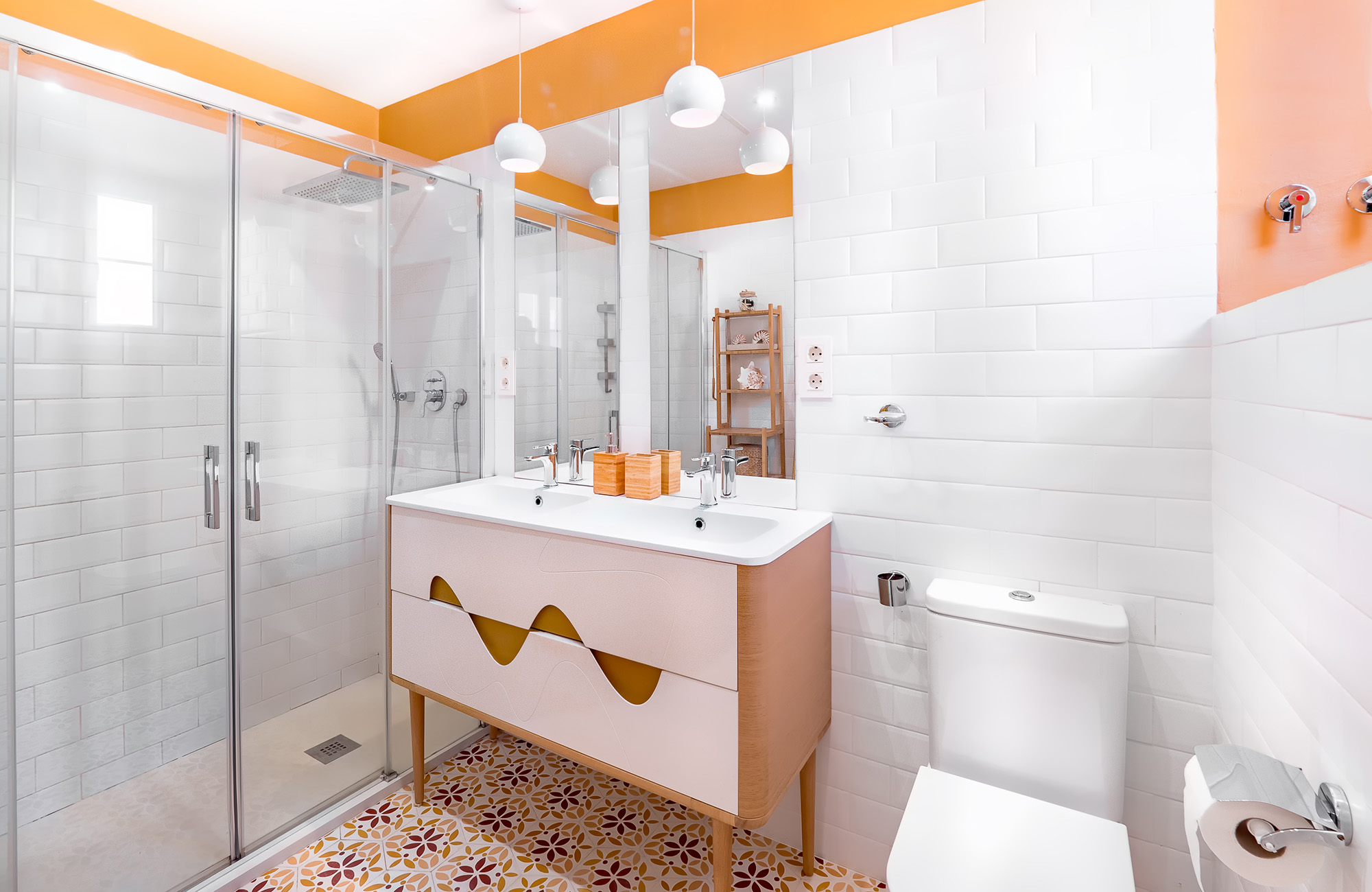
Gray has had its long run, and 2026 is firmly about warmth. Terracotta, clay, sand, and cement tones are showing up in kitchens, entryways, and bathrooms as homeowners move toward floors that feel grounded and lived in rather than cool and clinical. The challenge on the Gulf Coast has always been that authentic terracotta and cement tiles are porous, thirsty materials that demand sealing and babysitting in a humid climate. The good news is that porcelain now mimics both looks convincingly, giving you the warm 2026 aesthetic with the durability a coastal home actually needs.
Why Real Terracotta and Cement Struggle on the Coast
Traditional terracotta is fired clay, and genuine cement tile is exactly what it sounds like. Both are naturally porous, which means they absorb water, stains, and humidity unless they are sealed correctly and resealed on a schedule. In a dry climate that upkeep is manageable. In coastal Mississippi, where humidity stays high for much of the year and slabs push vapor upward, that porosity becomes a steady maintenance commitment and a risk for staining and efflorescence.
This is the gap that frustrates homeowners who fall in love with the look. They want the warm, earthy, handcrafted feel of clay and cement, but they do not want to reseal their floors every year or worry about a spill setting into a porous surface. For a long time the honest answer was that the authentic material asked for more care than most coastal households wanted to give. Porcelain changed that conversation.
How Porcelain Delivers the Look Without the Upkeep
Porcelain tile is fired dense and is functionally waterproof, which is the opposite of porous clay and cement. Modern printing technology reproduces the soft color variation of terracotta and the subtle movement of cement tile so well that the difference is hard to spot underfoot. You get the warm clay tones, the faint surface texture, and the artisan character without the sealing routine or the staining worry. For a humid coastal home, that combination is genuinely hard to beat.
The performance gap goes beyond moisture. Porcelain resists scratches, fading, and the daily punishment of sandy shoes and pet traffic that coastal homes see constantly. It cleans with simple maintenance rather than specialized products. So while the floor reads as warm, soft, and handmade, it behaves like the tough, low maintenance surface it actually is. That is the quiet trick behind the trend, and it is why so many designers are specifying the look in porcelain rather than the original materials.
Designing With Warm Tones in a Coastal Home
The warm palette pairs beautifully with the rest of what 2026 is leaning into. Matte and low sheen finishes suit terracotta and cement looks far better than high gloss, and they add slip resistance, which matters in coastal kitchens and entryways. Earthy tones also hide everyday dust and crumbs better than stark light floors, so the look stays relaxed instead of demanding constant cleaning. These are practical wins layered under an aesthetic one.
Layout is where you can lean into the trend or keep it calm. A terracotta look set in a herringbone or brick pattern brings real Mediterranean character to an entry or kitchen, while a large format cement look with mid tone grout reads more modern and seamless. Grout choice shifts the whole mood, with matching tones reading quiet and contrasting tones reading graphic. At Cozy Comfort Floors we can show you how each combination plays out so the floor matches the feeling you are after.
Where the Look Works Best
Entryways are the highest impact place to use these tiles, since the floor sets the tone the moment someone walks in. Kitchens are a close second because the floor is always in view and takes heavy traffic, and a warm porcelain handles spills and foot traffic without complaint. Bathrooms and laundry rooms round out the strong candidates, where the waterproof nature of porcelain matters most.
The beauty of choosing porcelain is that you are not limited by the fragility of the original material. You can run the warm look through wet zones and high traffic areas that real terracotta or cement would struggle in. That freedom lets you carry a consistent, cohesive aesthetic across more of your home, which is exactly what the 2026 emphasis on grounded, intentional spaces is about.
If you are drawn to terracotta and cement tones for your coastal home anywhere across all of the Mississippi Gulf Coast, come see how convincing porcelain has become. Samples look different in your own light, so seeing them in person is worth the trip. Visit Gulfport, MS to compare warm porcelain looks, grout tones, and layouts with our team. When you are ready to bring the 2026 warmth into your home, contact us for a free in home estimate.


