

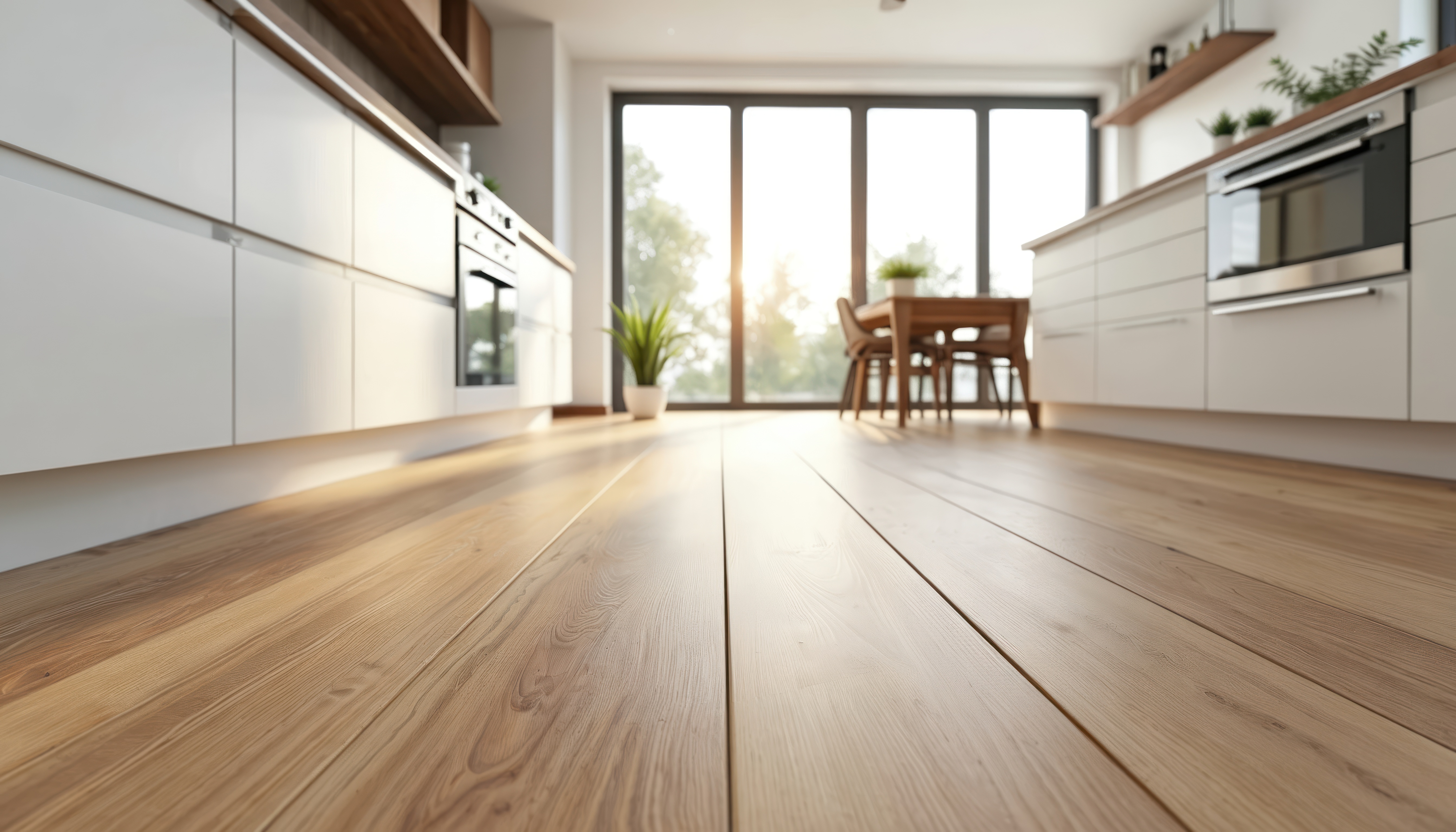
The floor around a sliding glass door works harder than most areas of the home. It handles indoor-outdoor traffic, wet feet, sandy shoes, pets, patio access, sunlight, rain exposure, and constant cleaning. In coastal homes, that one strip of flooring often behaves more like an entryway than a living room.
That is why flooring problems often appear near sliding doors before they show up anywhere else. A floor may look perfect in the middle of the room but start swelling, gapping, fading, scratching, or loosening near the door. The product may not be bad. It may simply be installed in the hardest part of the room.
Wind-Driven Rain Finds Weak Door Details
On the Mississippi Gulf Coast, rain does not always fall neatly downward. Wind can push water against sliding door tracks, thresholds, seals, and exterior walls. If the door has clogged weep holes, worn seals, poor drainage, or a low threshold, moisture can collect exactly where the flooring begins.
This is a serious issue for floating floors like laminate. Laminate needs proper expansion space, edge protection, and moisture planning around doorways. If the floor is pinched too tightly, cut too close, or exposed repeatedly to moisture at the edge, failure can begin at the threshold and slowly move into the room.
Sunlight and Heat Change Flooring Behavior
Sliding glass doors bring in strong natural light, which can make a room feel open and bright. That same sunlight can heat the flooring surface, create glare, expose dust, and make color variation more noticeable. The floor near the glass may experience more heat and UV exposure than the rest of the room.
This affects both material and finish selection. High-sheen floors can show footprints and mop marks near bright glass. Dark floors can show sand and dust more clearly. Very pale floors can reveal grime near the track. A flooring sample that looks calm in the showroom may behave differently beside a sunlit patio door.
Sand Acts Like Abrasive Paper
Sand is one of the quietest enemies of coastal flooring. Around sliding doors, it collects in tracks, rugs, corners, plank textures, grout lines, and transition strips. Every step can drag those particles across the floor, slowly dulling finishes or making small scratches more visible.
Tile flooring usually handles sand better than many plank floors, but tile still needs the right finish and grout choice. A textured porcelain tile can help hide grit between cleanings, but too much texture can hold dirt. A grout color that is too light may look dirty quickly near a heavily used door.
Sliding glass doors concentrate several flooring stressors in one place. Moisture, sunlight, heat, sand, traffic, and movement all meet at the threshold. That is why flooring often fails there first in coastal homes, especially when product choice and installation details are not matched to the room’s real use.
If you are choosing laminate flooring, tile flooring, or another hard surface option for a home in all of the Mississippi Gulf Coast, Cozy Comfort Floors can help you plan around patio doors, sliding doors, storm exposure, and coastal foot traffic. Visit Gulfport, MS or contact us to compare flooring options and get a practical recommendation for your home.


